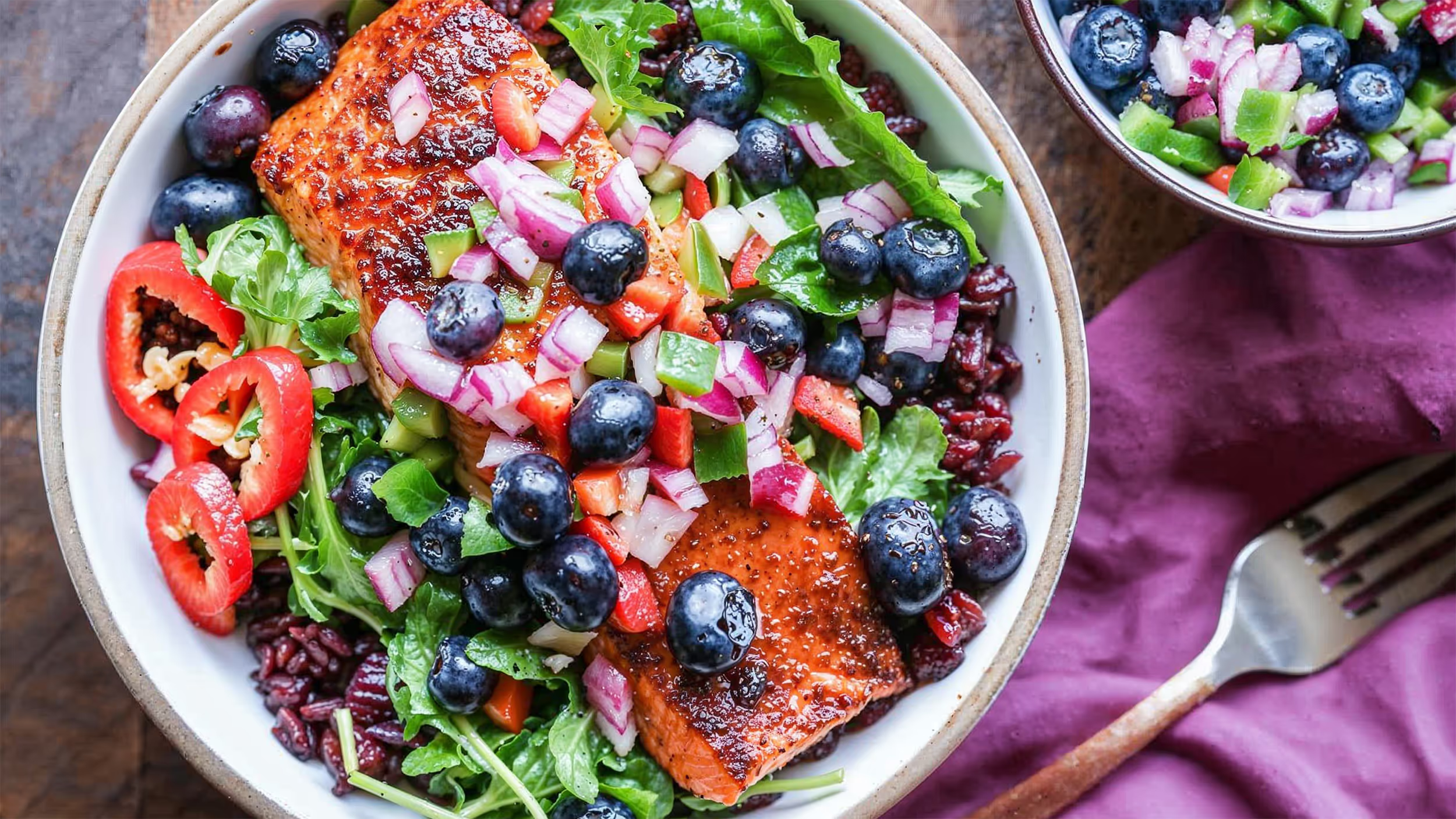
Navigating meals on GLP-1 medications can be a game-changer for your health, but it often means rethinking your plate. The key? Nutrient-dense, easily digestible, and protein-packed smaller portions that keep you feeling satisfied without the discomfort. That's why we're thrilled to share a recipe that's not just delicious, but perfectly tailored for your GLP-1 journey.Say hello to the Zesty Summer Salmon & Berry Power Bowl – a vibrant, light, and seriously satisfying meal that embraces fresh, whole ingredients. This isn't just a recipe; it's a strategic culinary ally designed to nourish your body and support your well-being on GLP-1s.Why This Bowl is Your GLP-1 Best Friend:This power bowl isn't just pretty; it's packed with purpose. Let's break down why it's a superstar for those on GLP-1 medications:
- Protein Powerhouse (Salmon): At its heart, this bowl features wild-caught salmon, an exceptional source of lean, high-quality protein. On GLP-1s, prioritizing protein is non-negotiable. It's crucial for triggering satiety signals, helping you feel full faster and for longer, and, critically, preserving precious muscle mass during weight loss. Salmon also provides omega-3 fatty acids, known for their anti-inflammatory benefits and support for heart and brain health.
- Fiber-Rich & Digestive-Friendly (Quinoa, Berries, Cucumber): The base of fluffy quinoa delivers a substantial dose of complex carbohydrates and fiber. Fiber is your digestive system's best friend, promoting regularity and contributing to sustained fullness. Coupled with the fiber in mixed berries and crisp cucumber, this bowl supports healthy digestion without feeling heavy – a common concern for GLP-1 users.
- Antioxidant Abundance (Berries & Herbs): Those colorful berries aren't just for taste! Strawberries, blueberries, raspberries, and blackberries are bursting with antioxidants and vitamins like Vitamin C, which combat oxidative stress and support overall immune function. Fresh mint and parsley add an extra layer of antioxidants and refreshing flavor.
- Healthy Fats for Satiety (Olive Oil & Salmon): A drizzle of olive oil and the natural fats in salmon provide healthy monounsaturated and polyunsaturated fats. These good fats contribute to satiety, help with nutrient absorption, and are vital for various bodily functions.
- Naturally Whole & Unprocessed: Every single ingredient in this bowl is a whole food, free from the additives, preservatives, and excessive sodium often found in processed foods. This makes it inherently easier for your body to digest and utilize, preventing the potential discomfort that can arise from processed ingredients on GLP-1s.
- Mindful Portions & Easy Digestion: This recipe is perfectly portioned for one, encouraging mindful eating. Baked salmon, light quinoa, and fresh, raw salsa are generally very well-tolerated, avoiding the greasy or heavy sensations that can be particularly unpleasant on GLP-1 medications.
The Recipe: Zesty Summer Salmon & Berry Power Bowl
Yields: 1 serving Prep time: 15 minutes Cook time: 10-12 minutes
Ingredients:
- For the Salmon:
- 4-5 oz wild-caught salmon fillet
- 1/2 tsp dried dill (or 1 tsp fresh, chopped)
- 1/4 tsp garlic powder
- Pinch of sea salt & black pepper
- 1/2 lemon, thinly sliced
- 1 tsp olive oil
- 4-5 oz wild-caught salmon fillet
- For the Quinoa Base:
- 1/4 cup dry quinoa
- 1/2 cup water or low-sodium vegetable broth
- 1/4 cup dry quinoa
- For the Berry & Herb Salsa:
- 1/2 cup mixed berries (strawberries, blueberries, raspberries, blackberries)
- 1/4 cup cucumber, finely diced
- 2 tbsp fresh mint, finely chopped
- 1 tbsp fresh parsley, finely chopped
- 1 tbsp fresh lime juice
- Pinch of sea salt
- 1/2 cup mixed berries (strawberries, blueberries, raspberries, blackberries)
- For Garnish (Optional):
- 1 tbsp raw pumpkin seeds or sunflower seeds
- Small sprig of fresh mint
- 1 tbsp raw pumpkin seeds or sunflower seeds
Instructions:
- Quinoa Prep: Rinse quinoa, then combine with water/broth in a small saucepan. Bring to a boil, reduce heat to low, cover, and simmer for 15 minutes until liquid is absorbed and quinoa is fluffy. Fluff with a fork and set aside.
- Salmon Bake: Preheat oven to 400°F (200°C). Line a small baking sheet with parchment paper. Pat salmon dry, drizzle with olive oil, and season with dill, garlic powder, salt, and pepper. Top with lemon slices. Bake for 10-12 minutes, or until flaky.
- Salsa Time: While salmon bakes, gently combine berries, diced cucumber, chopped mint, and parsley in a small bowl. Squeeze lime juice over and add a pinch of sea salt. Toss gently.
- Assemble Your Bowl: Spoon quinoa into your serving bowl. Carefully place the baked salmon on top. Generously spoon the Berry & Herb Salsa over and around the salmon. Garnish with pumpkin/sunflower seeds and a mint sprig if desired.
Enjoy this vibrant, protein-packed, and GLP-1 friendly meal. Remember to always listen to your body's unique hunger and fullness cues, which may be more pronounced while on medication. Happy healthy eating!
Share this article

Related articles

Peachy Keen Green GLP-1 Friendly Smoothie
This smoothie combines the sweetness of peaches with the goodness of greens and filling ingredients, perfect for a satisfying and nutritious boost in Aspen's summer.
Yields: 1 serving
Prep time: 5 minutes
INGREDIENTS
Liquid Base:
- 1 cup unsweetened almond milk (or other unsweetened plant-based milk) - Keeps the carb count low.
Protein Powerhouse:
- 1 scoop unflavored or vanilla protein powder (whey, pea, or hemp, low-sugar) - Crucial for satiety and muscle support.
- 1/2 cup plain Greek yogurt (unsweetened, full-fat or 2%) - Adds creaminess, more protein, and beneficial probiotics.
Fiber & Antioxidant Rich Fruits/Veggies:
- 1 medium peach, fresh or frozen (peeled and pitted if fresh) - The star of the show! Provides natural sweetness and fiber.
- 1 cup fresh spinach or baby kale - Packs in vitamins, minerals, and fiber without a strong taste, especially with the peach.
Healthy Fats & Extra Fiber:
- 1 tablespoon flax seeds (ground for better absorption, or whole) - Excellent source of fiber, lignans, and omega-3 fatty acids.
- 1 tablespoon almond butter (unsweetened, natural) - Adds healthy fats, protein, and a rich, nutty flavor.
Optional Boosts:
- 1/4 teaspoon ground ginger - Complements the peach flavor beautifully and has anti-inflammatory properties.
- A few drops of liquid stevia or monk fruit (if you prefer more sweetness, but taste first!) - For natural, zero-calorie sweetness.
- Ice cubes (if using fresh peach and you want it colder/thicker)
Instructions:
- Place the almond milk, protein powder, Greek yogurt, peach, spinach/kale, flax seeds, and almond butter into a high-speed blender.
- Add any optional boosts like ginger or stevia now.
- Blend until completely smooth and creamy. If you're using fresh peach and want it colder, add a few ice cubes and blend again until smooth.
- Pour into your favorite glass and enjoy this refreshing and filling summer smoothie!
Why this works for GLP-1:
- High Protein: Greek yogurt and protein powder provide a significant protein punch, which is key for signaling satiety.
- Rich in Fiber: Peach, spinach/kale, and flax seeds contribute ample fiber, slowing digestion and helping to stabilize blood sugar.
- Healthy Fats: Almond butter and the fats from Greek yogurt provide sustained energy and contribute to feeling full.
- Low Glycemic: While peaches have natural sugars, they are paired with plenty of fiber and protein to prevent a rapid blood sugar spike. Using greens also helps balance the sugar content.
- Refreshing: The peach and optional ginger make this a delightful summer treat!

Decoding the Science of GLP-1 Medication
Welcome to another insightful exploration with Effecty! Today, we're diving into the fascinating world of GLP-1 receptor agonists – a class of medications that have revolutionized the approach to weight management and type 2 diabetes treatment. But what exactly are GLP-1s, and how do they work their magic in your body? Let’s decode the science together.
Understanding GLP-1s:
GLP-1 stands for Glucagon-Like Peptide-1, a hormone naturally produced in our bodies. It plays a vital role in managing blood sugar levels and digestion. GLP-1 receptor agonists are medications that mimic the action of this natural hormone, hence the name. They bind to the same receptors in the body as GLP-1, leading to a series of beneficial effects.
How GLP-1s Work:
The Impact on Your Body:
Considerations and Side Effects:
While GLP-1s are a breakthrough in treatment, they may have side effects like nausea, vomiting, or diarrhea, especially when treatment begins. Most side effects are manageable and tend to decrease over time.
GLP-1 receptor agonists are not just another medication; they represent a paradigm shift in managing weight and blood sugar levels. By mimicking and amplifying the body's natural responses, they offer a more natural and efficient way to manage these critical aspects of health. At Effecty, we’re excited about the potential of GLP-1s and are here to support you on this journey.
Engage with Us:
Have you experienced the transformative effects of GLP-1s? Share your stories and join the conversation with the Effecty community. Together, we’re paving the way to a healthier future!

Holistic Healing: Complementary Therapies to Enhance Your GLP-1 Experience
Welcome to another wellness-focused discussion from Effecty! Today, we’re taking a closer look at the holistic side of weight management. While our medications are pivotal in managing weight and blood sugar levels, complementing them with holistic therapies can enhance your overall health journey. Let’s explore some of these complementary therapies and how they can support your GLP-1 experience.
Acupuncture for Appetite and Stress Management:
- Specifics: When working with an acupuncturist they can target specific points to help regulate digestion and control appetite. Impress your acupuncturist when you ask them about points like 'ST36' (Stomach 36) and 'PC6' (Pericardium 6).
- Benefit with GLP-1s: Can help manage potential side effects like nausea and aid in appetite control, aligning well with the appetite-suppressing nature of GLP-1s.
- Finding a Practitioner: Look for acupuncturists who specialize in weight management and digestive health.
Yoga and Mindfulness for Emotional Balance:
- Specifics: Practices like 'Vinyasa Yoga' for physical health and 'Mindfulness-Based Stress Reduction' (MBSR) for mental well-being.
- Benefit with GLP-1s: Enhances body awareness, helping to distinguish between physical hunger and emotional eating; reduces stress, which can be a trigger for overeating.
- Getting Started: Join local classes that cater to all levels, ensuring a supportive environment for beginners.
Herbal Supplements for Metabolic Support:
- Specifics: Herbs like Berberine for blood sugar regulation and Milk Thistle for liver support.
- Benefit with GLP-1s: These herbs can complement GLP-1s in managing blood glucose and overall metabolic health.
- Consultation is Key: Always discuss with a healthcare provider to avoid interactions with GLP-1s or other medications.
Optimized Nutrition:
- Specifics: A diet rich in fiber, lean protein, and healthy fats; low in processed sugars and high glycemic index foods.
- Benefit with GLP-1s: A well-balanced diet enhances the efficacy of GLP-1s in weight and blood sugar control.
- Personalized Plans: A dietitian can tailor dietary plans that work synergistically with your GLP-1 regimen. Plus, be on the lookout for our popular recipe emails.
Targeted Exercise for Sustainable Weight Loss:
- Specifics: Combination of cardio (like brisk walking or cycling) and strength training (like resistance bands or weightlifting). Check out one of our pre recorded videos to kickstart your routine. (Check it out here!)
- Benefit with GLP-1s: Exercise supports the weight loss effects of GLP-1s, improves insulin sensitivity and is a great mood booster.
- Professional Guidance: A physical therapist or a certified trainer can design a routine considering your medical background and physical capabilities.
Incorporating these specific holistic practices can significantly enhance the benefits of your GLP-1 medication. At Effecty, we’re committed to supporting you in finding the perfect balance for your health, both physically and mentally.
Engage with Us:
Have you found a particular holistic practice that works well with your GLP-1 regimen? Share your story with us at Effecty – let’s inspire and learn from each other on this comprehensive path to wellness.