Summer Starts Here: 5 Light & Nourishing Recipes to Support Your GLP-1 Journey
At Effecty, we believe wellness is more than a prescription — it’s a way of life. If you’re on a GLP-1 medication, you’re already taking powerful steps to support your metabolism and reach a healthier weight. But how you nourish your body matters just as much.
As the weather heats up, so should your hydration, nutrition, and joy. Below are five summer-friendly recipes created to complement GLP-1 treatment — designed to be light on the gut, rich in nutrients, and refreshingly easy to prepare.
🍓 1. Strawberry-Basil Chia Water
Hydration + Fiber
Chia seeds are fiber powerhouses that help with fullness, while strawberries and basil add a burst of antioxidants and natural sweetness.
Ingredients:
- 2 cups cold water
- 1 tbsp chia seeds
- 4–5 fresh strawberries, sliced
- A few basil leaves
- Optional: squeeze of lemon
Instructions:
Stir chia seeds into water and let sit for 5–10 minutes. Add strawberries, basil, and lemon. Sip throughout the day.
🥒 2. Cucumber-Avocado Gazpacho
Cooling + Easy on Digestion
Blended soups are ideal during GLP-1 treatment because they’re gentle, filling, and easy to portion.
Ingredients:
- 1 large cucumber, peeled and chopped
- 1 avocado
- Juice of 1 lime
- ¼ cup Greek yogurt or dairy-free alternative
Salt, pepper, and mint to taste
Instructions:
Blend all ingredients until smooth. Chill and serve cold with a drizzle of olive oil or dollop of yogurt.
🍑 3. Grilled Peach & Arugula Salad
Sweet, Peppery & Satisfying
Perfect for a light lunch or dinner side — fiber, healthy fats, and seasonal fruit in one.
Ingredients:
- 2 peaches, halved and grilled
- 2 cups arugula
- 1 tbsp feta or goat cheese
- 1 tsp olive oil + balsamic vinegar
- Optional: handful of walnuts
Instructions:
Grill peach halves for 2 minutes per side. Toss with arugula, cheese, walnuts, and dressing.
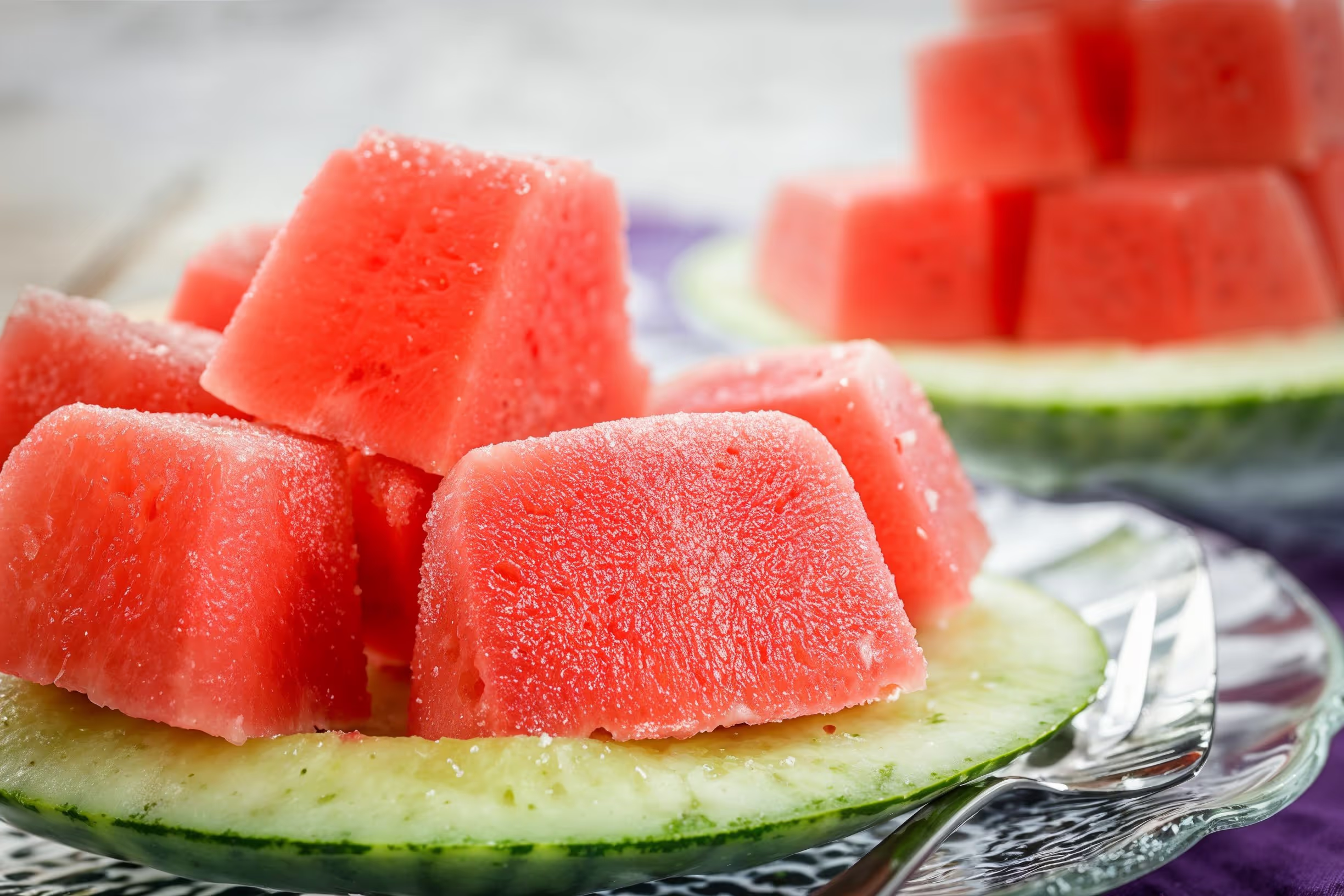
🍉 4. Watermelon-Mint Ice Cubes
Fun Hydration Hack
Sometimes, the little things help you stay on track. These cubes turn plain water into something craveable.
Instructions:
Blend 1 cup watermelon with a handful of mint. Pour into ice cube trays and freeze. Add to still or sparkling water.
🐟 5. Lemony Grilled Salmon with Zucchini Ribbons
Protein-Rich + Light
Protein is key while on GLP-1s — it keeps you full and supports lean body mass. This dish is quick and nutrient-dense.
Ingredients:
- 1 salmon filet
- 1 zucchini, shaved into ribbons
- Juice of ½ lemon
- Olive oil, salt, pepper
- Dill or parsley
Instructions:
Grill salmon until flaky. Toss zucchini ribbons with lemon and olive oil, plate alongside salmon.
🌿 Why These Recipes Work With GLP-1s
GLP-1 medications slow digestion and reduce appetite, so eating smaller, nutrient-dense meals helps avoid nausea and bloating. These recipes are:
✅ Easy to digest
✅ High in hydration
✅ Fiber- and protein-rich
✅ Naturally portion-controlled
✅ Joyful to prepare and eat
🧡 Effecty = Wellness, Not Just Weight Loss
At Effecty, we’re with you for the long haul — helping you feel good in your body, understand your treatment, and embrace a life that feels sustainable and fun. These meals aren’t just “GLP-1 friendly” — they’re life friendly.
Share this article

Related articles

Effecty recipe guide
Effecty Recipe Guide: Nourishing and Delicious Meals on GLP-1s
Welcome to Effecty’s Recipe Guide, thoughtfully crafted for those embracing GLP-1 receptor agonists like Semaglutide, Tirzepatide, Ozempic, and Mounjaro as part of their health journey. At Effecty, we believe that forming a healthy relationship with food is a crucial part of your wellness path. Our guide is designed not just to satisfy your taste buds but to nourish your body with the right ingredients that complement the effects of GLP-1 medications. These recipes focus on balanced nutrition, incorporating foods that help manage appetite, stabilize blood sugar levels, and provide sustained energy. Let's dive into these delicious, easy-to-prepare recipes that celebrate healthy eating as a joyful experience.
- Avocado and Egg Toast
- Quinoa Salad Bowl
- Grilled Salmon with Steamed Greens
- Greek Yogurt with Berries and Nuts
- Cucumber Mint Infused Water
Why These Foods?
- Balanced Nutrients: Each recipe is a blend of essential nutrients - proteins, healthy fats, fiber, and complex carbs - ideal for keeping you fuller for longer and maintaining steady energy levels.
- Blood Sugar Management: Especially for those with diabetes or managing blood sugar levels, these recipes are designed to provide a steady release of energy without causing spikes.
- Gastrointestinal Comfort: Understanding that GLP-1s can cause nausea or an upset stomach for some, we've chosen ingredients that are typically easy to digest.
- Hydration and Fullness: With an emphasis on hydration and foods that promote a sense of fullness, these recipes align well with the appetite-suppressing nature of GLP-1 medications.
Embracing a journey with GLP-1s doesn't mean compromising on the joy of eating. With Effecty’s Recipe Guide, you're equipped to create meals that not only align with your health goals but also bring pleasure and satisfaction to your dining table. Here's to a healthier, happier you with every bite!
Engage with Us:
Try out these recipes and let us know your favorites! Share your culinary creations and tips with the Effecty community. We're excited to hear how you're making each meal a step towards better health!
- Avocado and Egg Toast
Ingredients:
- 1 ripe avocado
- 2 eggs
- 2 slices of whole grain bread
- Salt and pepper to taste
- Optional: cherry tomatoes, feta cheese, red pepper flakes
Instructions:
- Toast the whole grain bread slices to your preference.
- While the bread is toasting, fry or poach the eggs to your liking.
- Mash the avocado in a bowl, adding salt and pepper to taste.
- Spread the mashed avocado evenly on the toasted bread.
- Place the cooked egg on top of each avocado toast.
- Optional: Garnish with sliced cherry tomatoes, a sprinkle of feta cheese, and a pinch of red pepper flakes for extra flavor.
- Quinoa Salad Bowl
Ingredients:
- 1 cup quinoa
- 2 cups water
- 1 cucumber, diced
- 1 bell pepper, diced
- 1/4 cup red onion, finely chopped
- 1/2 cup cherry tomatoes, halved
- 1/4 cup fresh parsley, chopped
- 1/4 cup olive oil
- 2 tbsp lemon juice
- 1 garlic clove, minced
- Salt and pepper to taste
- Optional: Grilled chicken or chickpeas for protein
Instructions:
- Rinse quinoa under cold water.
- In a pot, bring 2 cups of water to a boil. Add quinoa, reduce heat, cover, and simmer for 15 minutes or until water is absorbed.
- Let quinoa cool to room temperature.
- In a large bowl, combine the cooled quinoa, cucumber, bell pepper, red onion, cherry tomatoes, and parsley.
- In a small bowl, whisk together olive oil, lemon juice, minced garlic, salt, and pepper to make the dressing.
- Pour the dressing over the salad and toss to combine.
- Optional: Top with grilled chicken or chickpeas for added protein.
- Grilled Salmon with Steamed Greens
Ingredients:
- 2 salmon fillets
- 1 tbsp olive oil
- Salt and pepper to taste
- 1 lemon, sliced
- 2 cups of mixed greens (broccoli, spinach, kale)
Instructions:
- Preheat your grill to medium-high heat.
- Brush both sides of the salmon fillets with olive oil and season with salt and pepper.
- Place salmon on the grill, skin-side down, and cook for about 4-5 minutes on each side.
- While the salmon cooks, steam your mixed greens until tender, about 3-4 minutes.
- Serve the grilled salmon with a side of steamed greens and garnish with lemon slices.
- Greek Yogurt with Berries and Nuts
Ingredients:
- 1 cup Greek yogurt
- 1/2 cup mixed berries (strawberries, blueberries, raspberries)
- 1/4 cup mixed nuts (almonds, walnuts)
- Optional: honey or agave syrup for sweetness
Instructions:
- In a bowl, place the Greek yogurt.
- Top with a mix of fresh berries.
- Add a sprinkle of mixed nuts for crunch.
- Optional: Drizzle a small amount of honey or agave syrup for added sweetness.
- Cucumber Mint Infused Water
Ingredients:
- 1/2 cucumber, thinly sliced
- 10 fresh mint leaves
- 2 liters of water
Instructions:
- In a large pitcher, add the cucumber slices and mint leaves.
- Fill the pitcher with water.
- Let it infuse for at least an hour in the refrigerator before serving. The longer it infuses, the more flavorful it will be.

Unlocking Longevity: The Power of NAD+, Glutathione, Lipotropic B12, Metformin, and GLP-1 Medications
In the quest for a longer, healthier life, more people are turning to science-backed supplements and medications that can help slow the aging process. With breakthroughs in longevity research, it’s now possible to integrate a strategic combination of compounds that target cellular health, energy metabolism, and fat loss—all critical factors in combating aging. Let’s explore how NAD+, Glutathione, Lipotropic B12, Metformin, and GLP-1 medications work together to enhance longevity and why they may be the perfect companions in your anti-aging toolkit.
The Role of Cellular Health in Aging
As we age, our cells become less efficient at performing essential functions like energy production, detoxification, and regeneration. One of the main contributors to this decline is the reduction in molecules like NAD+ (nicotinamide adenine dinucleotide), which plays a key role in cellular metabolism and DNA repair. When NAD+ levels drop, our cells are less able to combat oxidative stress and inflammation, leading to the visible and internal signs of aging.
NAD+: Replenishing Cellular Energy
NAD+ is a coenzyme found in every living cell, and it is essential for energy metabolism and mitochondrial function. In longevity research, NAD+ is considered a key player because it activates sirtuins, proteins that regulate cellular health, promote DNA repair, and support longevity. By boosting NAD+ levels, we help our cells maintain energy production, reduce oxidative stress, and support healthy aging.
How NAD+ Supports Longevity:
- Increases cellular energy (ATP) production
- Enhances DNA repair and regeneration
- Boosts mitochondrial function
- Reduces inflammation and oxidative stress
Supplementing with NAD+ precursors, like nicotinamide riboside (NR) or nicotinamide mononucleotide (NMN), has been shown to restore NAD+ levels, potentially slowing down the aging process and enhancing energy levels.
Glutathione: The Master Antioxidant
Another crucial player in the anti-aging game is Glutathione, often called the “master antioxidant.” It protects cells from damage caused by free radicals, toxins, and inflammation. Glutathione is naturally produced by the liver, but as we age, our levels decline, leaving us vulnerable to oxidative stress and accelerated aging.
By supplementing with Glutathione or its precursors, you can support detoxification processes and help reduce the cellular damage that leads to chronic diseases and premature aging.
How Glutathione Supports Longevity:
- Detoxifies harmful substances
- Protects against oxidative damage
- Promotes immune function
- Supports liver health
Lipotropic B12: Boosting Metabolism and Energy
Lipotropic B12 is another critical factor for energy production and fat metabolism. B12 plays a vital role in red blood cell formation, DNA synthesis, and neurological function. As we age, our ability to absorb B12 diminishes, which can lead to fatigue, poor metabolism, and cognitive decline.
Lipotropic B12 injections combine vitamin B12 with compounds like methionine, inositol, and choline to enhance fat metabolism and energy levels, supporting weight management, liver function, and overall vitality.
How Lipotropic B12 Supports Longevity:
- Boosts energy and cognitive function
- Enhances fat metabolism and weight loss
- Supports liver health
- Improves mood and mental clarity
Metformin: The Anti-Aging Drug
Originally developed as a diabetes medication, Metformin has gained popularity for its potential anti-aging benefits. Metformin improves insulin sensitivity and reduces blood sugar levels, which in turn can reduce inflammation and oxidative stress, two key drivers of aging. Metformin has been shown in animal studies to extend lifespan and improve healthspan, which is the number of years spent in good health.
How Metformin Supports Longevity:
- Improves insulin sensitivity and metabolic health
- Reduces inflammation and oxidative stress
- Promotes healthy aging at the cellular level
- May reduce the risk of age-related diseases like cancer and cardiovascular disease
GLP-1 Medications: A Game-Changer for Weight Loss and Metabolism
GLP-1 (glucagon-like peptide-1) receptor agonists like Semaglutide and Tirzepatide are popular for their potent weight-loss benefits, but they also offer metabolic advantages that complement anti-aging strategies. By mimicking a natural hormone that regulates blood sugar and insulin, GLP-1 medications help control appetite, improve insulin sensitivity, and promote weight loss—all of which are essential for maintaining a healthy metabolism as we age.
How GLP-1 Medications Support Longevity:
- Promote significant weight loss and fat reduction
- Improve insulin sensitivity and metabolic function
- Reduce inflammation and oxidative stress
- Support cardiovascular and liver health
The Synergy of Combining NAD+, Glutathione, Lipotropic B12, Metformin, and GLP-1 Medications
When used together, this powerhouse combination addresses multiple aspects of aging, from cellular energy production to metabolism and fat loss. NAD+ and Glutathione work on the cellular level to reduce oxidative damage and maintain mitochondrial function. Lipotropic B12 supports energy levels and fat metabolism, making it easier to maintain a healthy weight and stay active as you age. Metformin optimizes metabolic health, while GLP-1 medications take weight loss and insulin sensitivity to the next level.
Together, these compounds create a well-rounded, science-backed approach to longevity that not only targets aging at the cellular level but also helps improve overall metabolic health, energy, and vitality.
Conclusion: Your Path to Longevity
Incorporating NAD+, Glutathione, Lipotropic B12, Metformin, and GLP-1 medications into your daily routine offers a multi-faceted approach to anti-aging and longevity. By optimizing cellular health, supporting detoxification, enhancing fat metabolism, and improving metabolic function, this synergistic combination can help you not only live longer but enjoy better health, energy, and vitality as you age.
If you’re looking to unlock the key to aging gracefully, these scientifically supported compounds may offer a powerful solution to help you thrive for years to come.

Effecty At Home - 20 minute Arm Workout!
Join our one of our founders, Sam, for a 20 minute arm workout at home! You do not need weights, let's use what you have at home and get moving!