
Fit and Fun: Exciting Workout Routines for GLP-1 Users
Hello, Effecty community! Are you ready to add some zest to your fitness routine while on your GLP-1 journey? Whether you're a seasoned gym-goer or just starting to embrace physical activity, we've got some exciting, effective, and yes, fun workout ideas that are perfect for anyone on GLP-1 medications like Semaglutide or Ozempic. Let’s get moving!
Why Exercise Matters on GLP-1s:
Exercise is a fantastic partner to your GLP-1 treatment. Not only does it aid in weight management, but it also boosts your mood, improves insulin sensitivity, and enhances overall health. But forget the notion of tedious workouts – it's time to make fitness enjoyable!
- Dance Cardio Party:
- What It Is: An energetic blend of dance and aerobic movements set to upbeat music.
- Why It’s Great for GLP-1 Users: Dance cardio is not just a calorie burner; it’s a mood lifter too. Plus, the variety of movements ensures a full-body workout.
- Getting Started: Look for dance cardio classes at local gyms or find online videos to groove at home.
- Aqua Aerobics:
- What It Is: A low-impact, high-energy workout in a swimming pool.
- Why It’s Great: The water’s buoyancy makes it easy on the joints, and the resistance helps tone muscles. Perfect for anyone who needs a gentler approach.
- Getting Started: Many community pools offer aqua aerobics classes – it's a splash!
- HIIT It Up:
- What It Is: High-Intensity Interval Training (HIIT) involves short bursts of intense exercise followed by rest periods.
- Why It’s Great: HIIT is excellent for improving cardiovascular health and can be modified for any fitness level.
- Getting Started: Start with basic exercises like jumping jacks, squats, or brisk walking. Gradually increase intensity and duration.
- Yoga for Flexibility and Strength:
- What It Is: A practice that combines physical postures, breathing exercises, and meditation.
- Why It’s Great: Yoga enhances flexibility, reduces stress, and can be tailored to your comfort level.
- Getting Started: Join a yoga class or follow along with online tutorials.
- Trail Trekking:
- What It Is: Walking or hiking along nature trails.
- Why It’s Great: It's not just good for your body; being in nature is also incredibly soothing for the mind.
- Getting Started: Find local trails suitable for your fitness level and enjoy the scenic views!
With these fun and varied workout options, exercising while on GLP-1 medications can be something you look forward to, not something you have to do. Remember, the best exercise is the one you enjoy and can stick with. So, lace-up those sneakers, grab a water bottle, and let’s get moving towards a healthier, happier you!
Share Your Fitness Journey:
Have you tried any of these workouts? Or do you have a fun fitness activity to recommend to your fellow Effecty members? Share your experiences and tips in the comments below. Let’s inspire each other on this fitness journey!
Share this article

Related articles

Peachy Keen Green GLP-1 Friendly Smoothie
This smoothie combines the sweetness of peaches with the goodness of greens and filling ingredients, perfect for a satisfying and nutritious boost in Aspen's summer.
Yields: 1 serving
Prep time: 5 minutes
INGREDIENTS
Liquid Base:
- 1 cup unsweetened almond milk (or other unsweetened plant-based milk) - Keeps the carb count low.
Protein Powerhouse:
- 1 scoop unflavored or vanilla protein powder (whey, pea, or hemp, low-sugar) - Crucial for satiety and muscle support.
- 1/2 cup plain Greek yogurt (unsweetened, full-fat or 2%) - Adds creaminess, more protein, and beneficial probiotics.
Fiber & Antioxidant Rich Fruits/Veggies:
- 1 medium peach, fresh or frozen (peeled and pitted if fresh) - The star of the show! Provides natural sweetness and fiber.
- 1 cup fresh spinach or baby kale - Packs in vitamins, minerals, and fiber without a strong taste, especially with the peach.
Healthy Fats & Extra Fiber:
- 1 tablespoon flax seeds (ground for better absorption, or whole) - Excellent source of fiber, lignans, and omega-3 fatty acids.
- 1 tablespoon almond butter (unsweetened, natural) - Adds healthy fats, protein, and a rich, nutty flavor.
Optional Boosts:
- 1/4 teaspoon ground ginger - Complements the peach flavor beautifully and has anti-inflammatory properties.
- A few drops of liquid stevia or monk fruit (if you prefer more sweetness, but taste first!) - For natural, zero-calorie sweetness.
- Ice cubes (if using fresh peach and you want it colder/thicker)
Instructions:
- Place the almond milk, protein powder, Greek yogurt, peach, spinach/kale, flax seeds, and almond butter into a high-speed blender.
- Add any optional boosts like ginger or stevia now.
- Blend until completely smooth and creamy. If you're using fresh peach and want it colder, add a few ice cubes and blend again until smooth.
- Pour into your favorite glass and enjoy this refreshing and filling summer smoothie!
Why this works for GLP-1:
- High Protein: Greek yogurt and protein powder provide a significant protein punch, which is key for signaling satiety.
- Rich in Fiber: Peach, spinach/kale, and flax seeds contribute ample fiber, slowing digestion and helping to stabilize blood sugar.
- Healthy Fats: Almond butter and the fats from Greek yogurt provide sustained energy and contribute to feeling full.
- Low Glycemic: While peaches have natural sugars, they are paired with plenty of fiber and protein to prevent a rapid blood sugar spike. Using greens also helps balance the sugar content.
- Refreshing: The peach and optional ginger make this a delightful summer treat!
Summer Starts Here: 5 Light & Nourishing Recipes to Support Your GLP-1 Journey
At Effecty, we believe wellness is more than a prescription — it’s a way of life. If you’re on a GLP-1 medication, you’re already taking powerful steps to support your metabolism and reach a healthier weight. But how you nourish your body matters just as much.
As the weather heats up, so should your hydration, nutrition, and joy. Below are five summer-friendly recipes created to complement GLP-1 treatment — designed to be light on the gut, rich in nutrients, and refreshingly easy to prepare.
🍓 1. Strawberry-Basil Chia Water
Hydration + Fiber
Chia seeds are fiber powerhouses that help with fullness, while strawberries and basil add a burst of antioxidants and natural sweetness.
Ingredients:
- 2 cups cold water
- 1 tbsp chia seeds
- 4–5 fresh strawberries, sliced
- A few basil leaves
- Optional: squeeze of lemon
Instructions:
Stir chia seeds into water and let sit for 5–10 minutes. Add strawberries, basil, and lemon. Sip throughout the day.
🥒 2. Cucumber-Avocado Gazpacho
Cooling + Easy on Digestion
Blended soups are ideal during GLP-1 treatment because they’re gentle, filling, and easy to portion.
Ingredients:
- 1 large cucumber, peeled and chopped
- 1 avocado
- Juice of 1 lime
- ¼ cup Greek yogurt or dairy-free alternative
Salt, pepper, and mint to taste
Instructions:
Blend all ingredients until smooth. Chill and serve cold with a drizzle of olive oil or dollop of yogurt.
🍑 3. Grilled Peach & Arugula Salad
Sweet, Peppery & Satisfying
Perfect for a light lunch or dinner side — fiber, healthy fats, and seasonal fruit in one.
Ingredients:
- 2 peaches, halved and grilled
- 2 cups arugula
- 1 tbsp feta or goat cheese
- 1 tsp olive oil + balsamic vinegar
- Optional: handful of walnuts
Instructions:
Grill peach halves for 2 minutes per side. Toss with arugula, cheese, walnuts, and dressing.
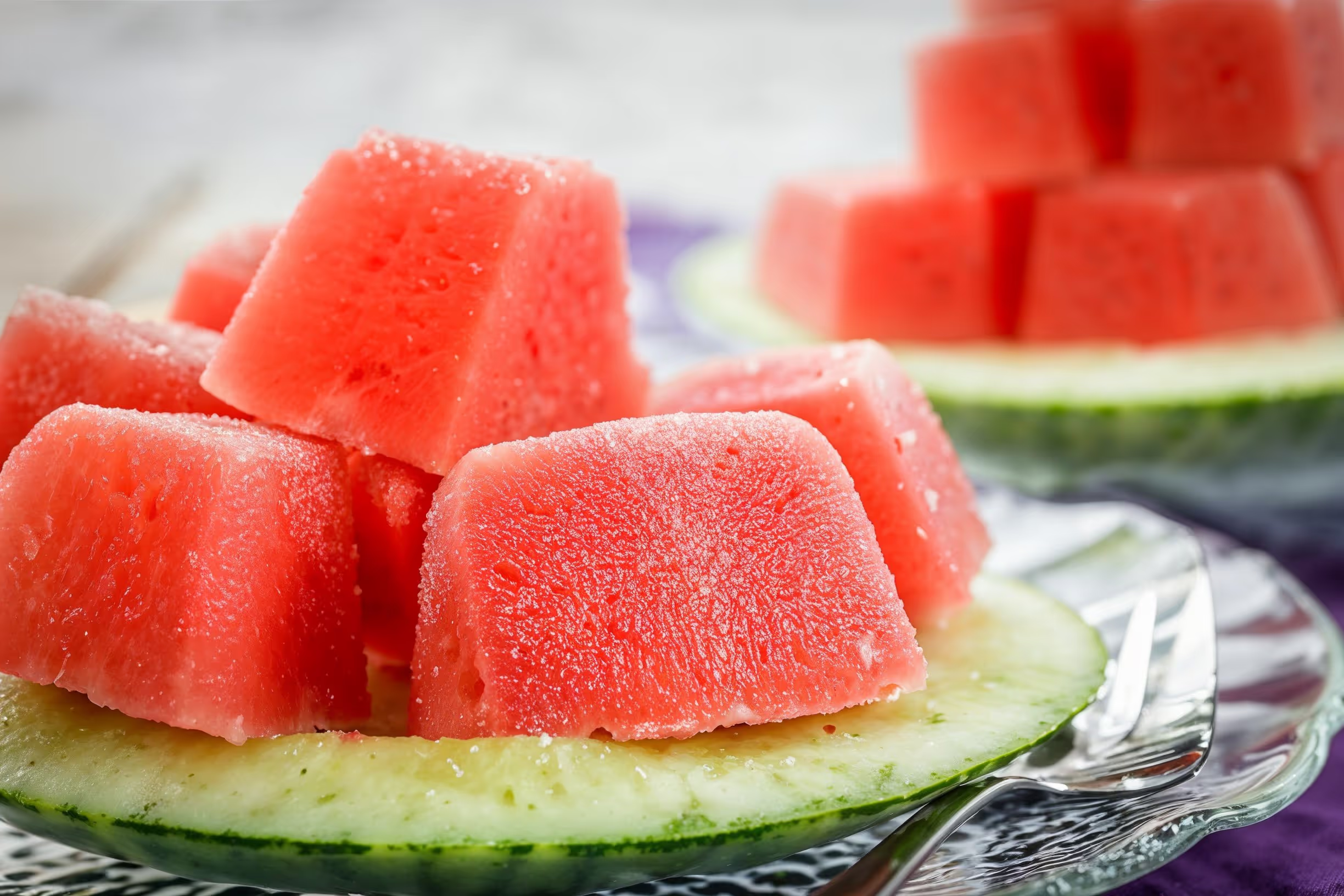
🍉 4. Watermelon-Mint Ice Cubes
Fun Hydration Hack
Sometimes, the little things help you stay on track. These cubes turn plain water into something craveable.
Instructions:
Blend 1 cup watermelon with a handful of mint. Pour into ice cube trays and freeze. Add to still or sparkling water.
🐟 5. Lemony Grilled Salmon with Zucchini Ribbons
Protein-Rich + Light
Protein is key while on GLP-1s — it keeps you full and supports lean body mass. This dish is quick and nutrient-dense.
Ingredients:
- 1 salmon filet
- 1 zucchini, shaved into ribbons
- Juice of ½ lemon
- Olive oil, salt, pepper
- Dill or parsley
Instructions:
Grill salmon until flaky. Toss zucchini ribbons with lemon and olive oil, plate alongside salmon.
🌿 Why These Recipes Work With GLP-1s
GLP-1 medications slow digestion and reduce appetite, so eating smaller, nutrient-dense meals helps avoid nausea and bloating. These recipes are:
✅ Easy to digest
✅ High in hydration
✅ Fiber- and protein-rich
✅ Naturally portion-controlled
✅ Joyful to prepare and eat
🧡 Effecty = Wellness, Not Just Weight Loss
At Effecty, we’re with you for the long haul — helping you feel good in your body, understand your treatment, and embrace a life that feels sustainable and fun. These meals aren’t just “GLP-1 friendly” — they’re life friendly.

Decoding the Science of GLP-1 Medication
Welcome to another insightful exploration with Effecty! Today, we're diving into the fascinating world of GLP-1 receptor agonists – a class of medications that have revolutionized the approach to weight management and type 2 diabetes treatment. But what exactly are GLP-1s, and how do they work their magic in your body? Let’s decode the science together.
Understanding GLP-1s:
GLP-1 stands for Glucagon-Like Peptide-1, a hormone naturally produced in our bodies. It plays a vital role in managing blood sugar levels and digestion. GLP-1 receptor agonists are medications that mimic the action of this natural hormone, hence the name. They bind to the same receptors in the body as GLP-1, leading to a series of beneficial effects.
How GLP-1s Work:
The Impact on Your Body:
Considerations and Side Effects:
While GLP-1s are a breakthrough in treatment, they may have side effects like nausea, vomiting, or diarrhea, especially when treatment begins. Most side effects are manageable and tend to decrease over time.
GLP-1 receptor agonists are not just another medication; they represent a paradigm shift in managing weight and blood sugar levels. By mimicking and amplifying the body's natural responses, they offer a more natural and efficient way to manage these critical aspects of health. At Effecty, we’re excited about the potential of GLP-1s and are here to support you on this journey.
Engage with Us:
Have you experienced the transformative effects of GLP-1s? Share your stories and join the conversation with the Effecty community. Together, we’re paving the way to a healthier future!